
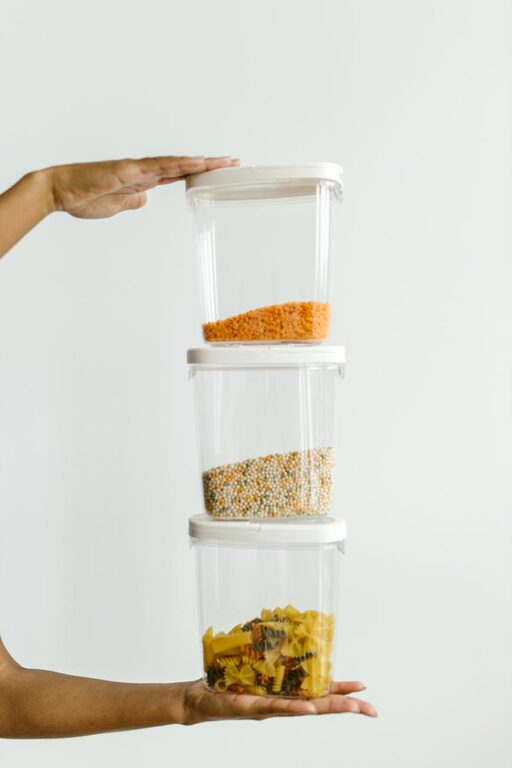
Planning meals around pantry staples is a smart way to save time, reduce food waste, and create satisfying dishes without frequent grocery trips. Whether you have a well-stocked pantry or just a few basics, understanding how to combine ingredients can turn simple staples into tasty, nutritious meals for your family. In this post, we’ll explore practical strategies and recipe ideas to help you make the most of your pantry.
Why Plan Meals Around Pantry Staples?
Pantry staples typically include dry goods and non-perishable items such as rice, pasta, canned beans, sauces, spices, and grains. These ingredients are versatile, have long shelf lives, and provide a great foundation for many dishes.
Benefits of meal planning with pantry staples include:
– Cost savings: Using what you already have reduces the need for last-minute grocery shopping.
– Less food waste: Planning prevents spoilage by using items before they expire.
– Quick meal prep: Sticking to pantry basics speeds up cooking time.
– Versatility: Staples can be combined in various ways to suit tastes and dietary needs.
Step 1: Take Stock of Your Pantry
Before planning meals, spend some time organizing and taking inventory of your pantry. Here’s how:
– Group similar items: Keep canned goods, grains, baking essentials, and spices together.
– Check expiration dates: Remove expired items to avoid cooking mishaps.
– Note quantities: Understand how much rice, beans, or pasta you have.
– Identify staples: List versatile items like canned tomatoes, chickpeas, or broth.
Having a clear picture of your pantry helps you visualize possible meal combinations.
Step 2: Choose Your Meal Framework
Start by thinking about meals that fit your schedule and preferences. Consider how many meals you need, if you want leftovers, and any dietary restrictions.
Popular meal frameworks based on pantry staples include:
– Grain bowls: Base of rice, quinoa, or couscous topped with beans, veggies, and sauce.
– Pasta dishes: Toss dry pasta with canned tomatoes, garlic, spices, and cheese.
– Soups and stews: Use broth, canned vegetables, and legumes for filling bowls.
– Stir-fries: Combine rice or noodles with canned veggies and flavored sauces.
– Casseroles: Bake pasta or grains with canned ingredients and cheese.
Step 3: Find Recipes Based on What You Have
When you know your pantry items and desired meal type, search for recipes that use your ingredients. Some key ideas include:
1. One-Pot Pasta with Tomato and Chickpeas
– Dried pasta
– Canned chickpeas
– Canned diced tomatoes
– Garlic and onion powder
– Olive oil and herbs
Simply cook pasta in a pot with tomatoes and chickpeas, seasoning to taste. It’s fast, filling, and comforting.
2. Lentil and Rice Pilaf
– Brown or white rice
– Dry lentils or canned lentils
– Onion powder, cumin, and turmeric
– Vegetable broth or water
Cook lentils and rice together with spices for a wholesome side or main dish. Add canned veggies for extra flavor.
3. Black Bean Quesadillas
– Canned black beans
– Tortillas (from your pantry or freezer)
– Shredded cheese
– Spices like chili powder and cumin
Mash beans with spices, spread on tortillas with cheese, and cook until crispy. Serve with salsa or canned corn.
4. Vegetable Soup
– Mixed canned vegetables (corn, green beans, carrots)
– Canned tomatoes or tomato sauce
– Vegetable broth
– Seasonings like thyme or oregano
Simmer all ingredients in a pot for a warm, nourishing soup.
Step 4: Plan for Flavor with Spices and Condiments
Pantry staples are exciting when paired with the right spices and sauces. Common versatile seasonings include:
– Salt and pepper
– Garlic powder and onion powder
– Paprika and chili powder
– Italian seasoning and dried herbs
– Soy sauce or tamari
– Mustard and vinegar
Keep these handy to elevate simple dishes.
Step 5: Mix Fresh and Frozen Items When Possible
While pantry staples make a great base, combining them with fresh or frozen vegetables adds texture and nutrients. For example:
– Toss canned beans with fresh spinach or frozen peas.
– Add a fresh salad alongside grain and legume bowls.
– Stir in frozen bell peppers or corn for color and sweetness.
This balance helps keep meals interesting.
Step 6: Batch Cook and Store Meals
Preparing meals in larger quantities can save time during busy days. Ideas include:
– Cooking double batches of rice or quinoa.
– Making soups or stews that freeze well.
– Assembling dry ingredients for a recipe in a jar for quick prep later.
Store leftovers safely in airtight containers and label with dates.
Step 7: Keep Refreshing Your Pantry Staples
To maintain an effective pantry for meal planning, regularly:
– Restock essentials after use.
– Rotate items to use older products first.
– Experiment with new canned or dry foods to diversify meals.
Final Tips for Success
– Be flexible: Adapt recipes based on available ingredients.
– Keep a running grocery list: Note items that run low or are missing.
– Get creative: Don’t be afraid to try new spice blends or combinations.
– Use online tools or apps: Some platforms help you find recipes from pantry ingredients.
—
By thoughtfully planning meals using pantry staples, you’ll enjoy quick, affordable dinners that reduce waste and satisfy your family’s hunger. With a little organization and creativity, your pantry can be the starting point for endless delicious meals. Happy cooking!