
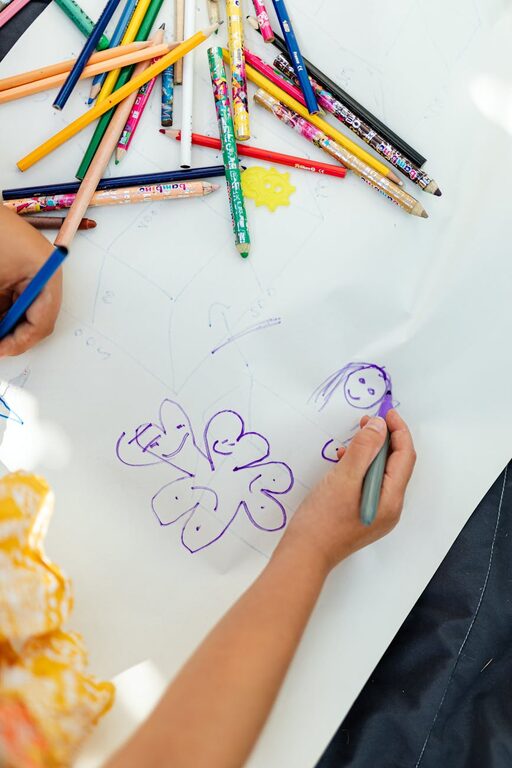
Children’s artwork is a wonderful expression of creativity and growth, but it can quickly pile up and create clutter. From finger paintings to school projects, parents often find themselves overwhelmed with stacks of paper and craft supplies. Keeping kids’ art organized not only helps maintain a tidy home but also preserves those precious memories for years to come. In this post, we’ll explore practical, creative, and manageable ways to organize your child’s art collection.
Why Organize Kids’ Art?
Before diving into tips, it’s worth understanding the benefits of organizing your child’s creations:
– Preserves Memories: Organized collections make it easy to look back and reflect on your child’s artistic development.
– Reduces Clutter: Keeps your living space neat by preventing piles of artwork from taking over.
– Encourages Creativity: A dedicated art space and system can motivate children to keep creating.
– Makes Sharing Easy: Organized art is easier to showcase to family and friends or to use in gifts and projects.
Step 1: Set Up a Dedicated Art Space
Creating a specific area for art supplies and finished pieces helps maintain order.
Where to Set Up
– A corner of the family room or your child’s bedroom
– Kitchen nook with a small table or desk
– Playroom shelf or craft cart
– Wall-mounted organizers for limited space
What to Include
– Containers for crayons, markers, and paints
– Shelves or trays for paper and notebooks
– Hooks or clips for hanging current projects
– A drawer or box for finished artwork ready to be sorted
Step 2: Sort and Categorize Artwork
Not every piece needs to be kept forever, but sorting is key to deciding what stays.
How to Sort
– Keep: Exceptional pieces or those with sentimental value
– Digitize: Photos or scans of art that you want to remember but don’t need physical copies of
– Recycle: Artworks that are less meaningful or damaged
– Gift: Pieces your child wants to share with family members
Tips for Sorting Sessions
– Involve your child to teach decision-making and organization skills
– Set a regular schedule, like once a month or after school terms
– Use labeled bins or folders for different categories or dates
Step 3: Create an Art Filing System
An effective filing system makes retrieval and storage simple.
Options for Physical Storage
– Portfolio folders: Large, flat folders that can hold multiple pieces
– Expandable accordion files: Organize art by year, age, or category
– Binders with plastic sleeves: Protect and display work neatly
Labeling
– Always label folders or files with dates, age, or type of artwork
– Consider color-coding by child if you have multiple kids
Step 4: Digital Archiving
Digital storage helps preserve art without taking up physical space.
How to Digitize
– Use a scanner or a smartphone camera with good lighting
– Capture the artwork in high resolution and straight angles
– Include dates and descriptions in file names or metadata for easy searching
Digital Tools
– Photo organization apps like Google Photos or Apple Photos
– Dedicated art apps designed for kids’ creations
– Cloud storage solutions (Dropbox, OneDrive) to keep files safe and accessible
Benefits of Digital Archiving
– Create digital photo books or slideshows
– Share easily with family via email or social media
– Make custom gifts like calendars or mugs featuring the artwork
Step 5: Display Artwork Creatively
Showcasing current or favorite pieces can boost your child’s confidence and keep things lively.
Display Ideas
– Art gallery wall: Use frames, clipboards, or wire and clothespins for rotating exhibits
– Magnetic boards or corkboards: Allow quick swapping as new art comes in
– Digital photo frame: Display a rotating selection of digitized artwork
– Art books: Print a yearly photo book of your child’s creations
Tips for Rotation
– Change displays seasonally or monthly
– Store replaced items in your filing system or digitize before recycling
Step 6: Manage Supplies to Avoid Overwhelm
Organizing art starts with managing the materials your child uses.
Organize Supplies
– Use clear containers for items like crayons, brushes, and stickers
– Limit the variety to reduce mess and confusion
– Regularly check supplies for dried-up markers or broken crayons and recycle
Encourage Clean-Up Habits
– Teach kids to put away tools after use
– Make clean-up a fun, timed game or part of the creative routine
– Reward consistent tidiness with praise or small incentives
Step 7: Repurpose and Reuse Artwork
Incorporate old art into new projects to minimize waste and encourage creativity.
Repurposing Ideas
– Use cutouts for homemade greeting cards or gift tags
– Turn paintings into wrapping paper
– Create collages or scrapbooks together
– Laminate artwork to make placemats or bookmarks
Final Thoughts
Keeping kids’ art organized may take some effort, but the payoff is worth it. An organized art collection celebrates your child’s creativity, reduces household clutter, and creates lasting memories for your family. By combining practical storage, regular sorting sessions, digital archiving, and creative displays, you can strike the perfect balance between preserving treasured moments and maintaining an orderly home.
Remember, the key is consistency and involving your child in the process. Make it a fun routine, and watch their pride grow alongside their masterpieces!