
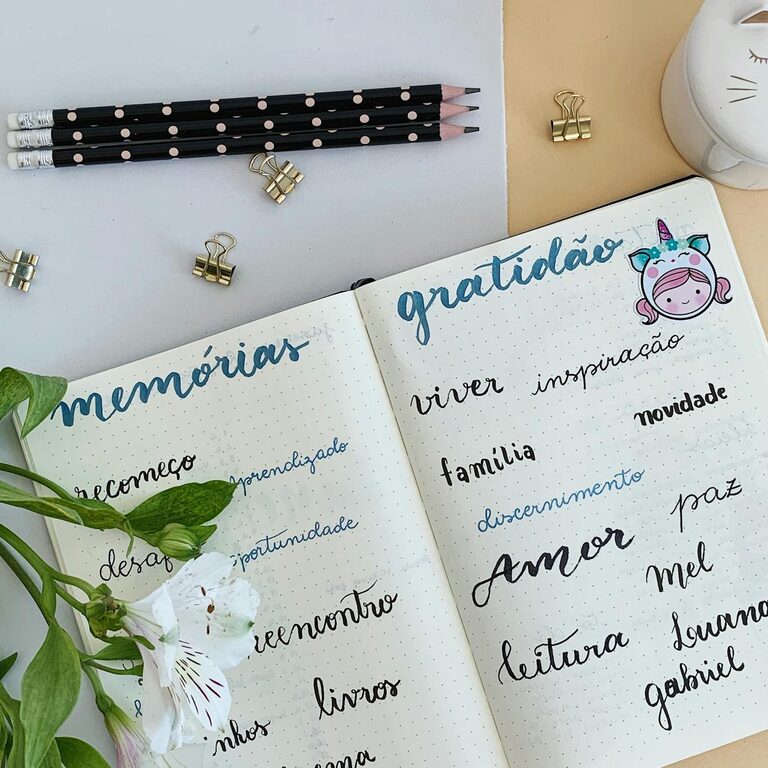
Keeping a gratitude journal is an effective and enjoyable way to boost your overall happiness and develop a more positive mindset. By regularly reflecting on the things you’re thankful for, you train your mind to focus on the good aspects of life. Whether you want to reduce stress, improve your mood, or cultivate mindfulness, starting a gratitude journal is a simple habit anyone can adopt.
In this guide, we’ll explore what a gratitude journal is, why it’s beneficial, and practical steps to help you get started.
What Is a Gratitude Journal?
A gratitude journal is a personal notebook or digital document where you write down things you feel thankful for. These can range from big moments—like achieving a goal—to small everyday joys, like a warm cup of coffee or a kind smile. The idea is to acknowledge and appreciate positive experiences regularly.
Unlike a diary that records daily events, a gratitude journal focuses specifically on recognizing good things. This practice helps shift your attention away from negative thoughts and fosters a more optimistic outlook.
Benefits of Keeping a Gratitude Journal
Research and personal stories highlight several advantages of gratitude journaling, including:
– Improved mood: Reflecting on positives can boost feelings of happiness.
– Reduced stress: Gratitude encourages relaxation by shifting focus from worries.
– Better sleep: Thinking about things you’re grateful for before bed can promote restfulness.
– Stronger relationships: Expressing appreciation can enhance social connections.
– Increased mindfulness: Writing helps you stay present by noticing good moments.
Knowing these benefits makes starting a gratitude journal a rewarding investment in your mental and emotional well-being.
How to Start a Gratitude Journal
Starting a gratitude journal doesn’t need to be complicated. Here are step-by-step guidelines to help you begin:
1. Choose Your Journal Format
Decide how you want to keep your journal. Options include:
– Physical notebook: Many find that writing by hand creates a stronger connection.
– Digital app: Apps like Day One or Evernote can be convenient and portable.
– Simple document: A dedicated file on your computer or phone works well too.
Pick the method that feels easiest and most enjoyable for you.
2. Set a Regular Time
Consistency helps make journaling a habit. Consider:
– Writing in the morning to start your day positively.
– Journaling before bed to reflect on the day’s highlights.
– Setting reminders or alarms to build the routine.
Even just 5 minutes each day can make a difference.
3. Keep It Simple
When you first start, keep your entries straightforward. You might:
– List 3 things you’re grateful for each day.
– Write a sentence or two about why you appreciate each item.
– Include both big and small things.
Example entry:
“Today, I’m grateful for the sunny weather, a delicious lunch, and a compliment from a coworker.”
4. Focus on Specific Details
The more specific you are, the more meaningful the practice becomes. Instead of “I’m grateful for my family,” try “I’m grateful for my sister calling me today and making me laugh.”
5. Reflect on Feelings
Notice how writing about gratitude makes you feel. Let your emotions guide your journaling to deepen the experience.
6. Combine with Other Positive Habits
You may want to pair your gratitude journaling with:
– Meditation or deep breathing.
– Setting daily intentions.
– Acts of kindness.
These can complement the positive mindset you’re nurturing.
Tips to Stay Motivated
– Be patient: It’s normal to miss days; the goal is consistency, not perfection.
– Change it up: Vary your entries by writing about people, experiences, or personal strengths.
– Share your gratitude: Sometimes telling others what you appreciate strengthens your feeling.
– Use prompts: If you feel stuck, try prompts such as “What made me smile today?” or “What’s something I take for granted?”
Common Questions About Gratitude Journals
How long should each entry be?
There’s no right length. Some people write a few words, others a paragraph. Start small and expand as you feel comfortable.
Do I have to write every day?
Daily journaling is ideal but not mandatory. Write as often as it suits your lifestyle.
Can I combine a gratitude journal with other types of journals?
Absolutely! You can keep a combined journal for gratitude, goals, ideas, or reflections.
Final Thoughts
Starting a gratitude journal is a simple yet powerful way to enhance your mental well-being. By creating a practice of noticing and appreciating positive moments, you invite more joy and calm into your life.
Choose a format you like, set a regular time, keep your entries simple and specific, and watch how the habit transforms your outlook over time.
Give it a try today—you might be surprised at the difference just a few minutes of gratitude can make. Happy journaling!