
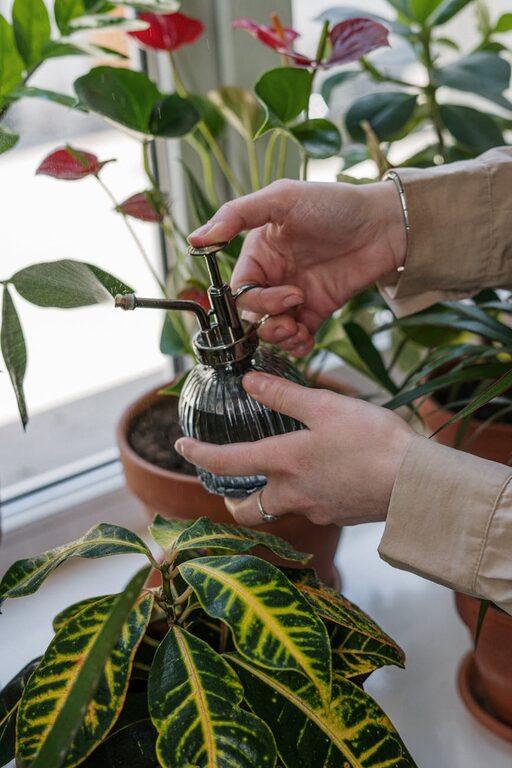
Starting a small herb garden indoors is a rewarding and practical way to bring fresh flavors to your cooking while adding a touch of greenery to your home. Whether you have limited space or just want to grow your own herbs year-round, this guide will walk you through everything you need to know to create a thriving indoor herb garden.
Why Grow Herbs Indoors?
Growing herbs indoors offers several benefits:
– Fresh herbs at your fingertips for cooking
– Saves money on buying herbs from the store
– Adds natural fragrance and beauty to your space
– Provides a fun and relaxing gardening hobby
– Helps you control pesticide use and plant health
Now, let’s dive into the simple steps to get your indoor herb garden going.
Choosing the Right Herbs
Not all herbs thrive indoors equally, so start with varieties known for easy indoor growth. Some great beginner-friendly herbs include:
– Basil: Loves warmth and sunlight, perfect for sunny spots.
– Mint: Grows rapidly and can tolerate partial shade.
– Parsley: Easy to grow and rich in nutrients.
– Chives: Requires little maintenance and grows well indoors.
– Thyme: Hardy and needs less water, ideal for beginners.
– Oregano: Thrives in bright light and is drought-tolerant.
Try to pick herbs you commonly use in your cooking to maximize enjoyment.
Gathering Supplies
To start your indoor herb garden, you’ll need:
– Containers: Small pots with drainage holes or a dedicated herb planter.
– Potting Soil: Use a light, well-draining potting mix designed for indoor plants.
– Herb Seeds or Seedlings: Choose either to start your garden.
– A Sunny Spot or Grow Light: Most herbs require 6-8 hours of sunlight daily.
– Watering Can: For careful, consistent watering.
– Labels: To identify the herbs as they grow.
Planting Your Herb Garden
Step 1: Prepare Your Containers
Fill your pots with potting soil, leaving about an inch of space at the top. Make sure drainage holes are clear to prevent waterlogging.
Step 2: Plant Seeds or Transplants
– For seeds: Plant according to the package instructions, usually about ¼ inch deep.
– For seedlings: Dig a small hole, place the plant gently, and cover roots with soil.
Water lightly to settle the soil but avoid soaking.
Step 3: Position for Optimal Light
Place your herbs on a windowsill facing south or west for maximum sunlight. If natural light is limited, consider using full-spectrum grow lights for 12-16 hours a day.
Caring for Your Indoor Herbs
Watering Tips
– Water when the top inch of soil feels dry.
– Herbs prefer moist but not soggy soil.
– Avoid overwatering, which can cause root rot.
Feeding Your Herbs
– Use a balanced liquid fertilizer diluted to half strength once a month.
– Avoid over-fertilizing; herbs don’t need heavy feeding.
Pruning and Harvesting
– Regularly pinch leaves to encourage bushier growth.
– Harvest leaves just before flowering for best flavor.
– Remove dead or yellowing leaves to keep plants healthy.
Maintaining Humidity
Indoor air can be dry, especially in winter. To maintain moisture:
– Mist plants occasionally with water.
– Place a tray of water near your herbs.
– Group plants together to increase humidity.
Troubleshooting Common Problems
– Yellow leaves: May indicate overwatering or lack of nutrients.
– Leggy growth: Insufficient light—move plants closer to a light source.
– Pests: Indoor herbs can attract aphids or spider mites; wipe leaves with soapy water to control pests.
– Wilting: Usually due to underwatering or root issues.
Expanding Your Garden Over Time
Once comfortable with your first few herbs, try adding new varieties like rosemary, cilantro, or dill. You can also experiment with vertical gardens or hydroponic setups for a modern look.
Final Tips for Success
– Start small to avoid feeling overwhelmed.
– Keep a gardening journal to track watering, growth, and notes.
– Rotate plants regularly to ensure even light exposure.
– Enjoy the process—gardening indoors is about patience and care.
—
Growing herbs indoors is not only practical but also a wonderful way to connect with nature right inside your home. With a bit of attention and these simple steps, you’ll enjoy fresh herbs throughout the year and add life to your living space. Happy gardening!