
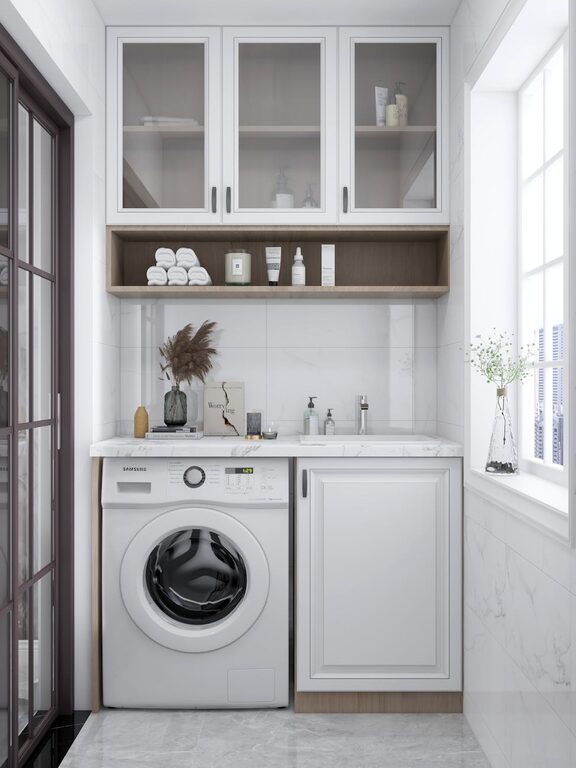
Creating a peaceful atmosphere at home often starts with the palette you choose. Colors have a powerful influence on mood and energy, so selecting calm colors can help transform your space into a serene retreat. Whether you’re redecorating one room or refreshing your entire home, choosing the right hues can make a big difference in how you feel daily. Here are some practical tips to guide you in selecting calm colors for your living space.
Why Choose Calm Colors?
Calm colors often evoke feelings of relaxation, tranquility, and balance. These tones can reduce stress and create a welcoming environment that encourages rest and positive energy. Unlike bright or intense colors that stimulate activity and alertness, calm colors provide a soothing backdrop that supports mental well-being.
Understanding Color Psychology
Before picking colors, it helps to understand the basics of color psychology—a field that explores how colors impact our emotions and behaviors.
– Blues are commonly linked with calmness and serenity. They can lower heart rate and reduce anxiety.
– Greens connect with nature and growth, promoting harmony and renewal.
– Neutrals like beige, soft grays, and off-whites offer a gentle, unobtrusive aesthetic.
– Muted pastels, such as gentle lavender or soft peach, often feel cozy and comforting.
Keep in mind that individual preferences and cultural associations also play a role, so choose what feels best to you.
Tips for Choosing Calm Colors
1. Start with Natural Inspiration
Nature is a wonderful source of calm colors. Think of the soft hues of a sandy beach, a misty forest, or a clear sky. Using these natural palettes provides a timeless sense of peace and familiarity.
Try combining:
– Soft greens with light browns for an earthy feel
– Pale blues and whites for an airy atmosphere
– Warm taupes with muted yellows for cozy warmth
2. Consider the Room’s Purpose
The function of a room influences which calm colors work best.
– Bedroom: Cool blues, gentle lilacs, or pale grays can help promote restful sleep.
– Living room: Soft greens or warm neutrals create a welcoming space for conversation and relaxation.
– Bathroom: Light blue or seafoam green can evoke a spa-like tranquility.
– Home office: Subtle greens or muted blues can enhance focus without feeling too sterile.
3. Balance Warm and Cool Tones
Calm colors can be warm or cool, and sometimes using a balance is ideal. For example, a room painted in soft gray (cool) with warm beige accents can feel both relaxing and inviting.
4. Use Different Shades and Textures
Rather than just one flat color, layer different shades within the same color family. This adds depth and interest without overwhelming the senses.
Incorporate textures through fabrics, rugs, and furniture to complement your color choices. For instance, a plush blue velvet couch or a woven beige rug can reinforce the calming effect.
5. Test Samples in Your Space
Colors can look different depending on lighting and room size. Always test paint samples or bring home fabric swatches before committing. Observe the colors at different times of day to see how natural and artificial light affects them.
6. Keep It Simple
Avoid overcrowding your space with too many colors. A calm color scheme is often minimalist, focusing on clean lines and subtle contrasts.
7. Incorporate White Space
Using white or off-white as a base or trim color can make calm colors pop without feeling cluttered. It also helps keep the room looking fresh and bright.
8. Don’t Forget the Ceiling
Though often overlooked, painting the ceiling a soft color like pale blue or light gray can contribute to a sense of openness and calm.
Popular Calm Color Palettes to Consider
Here are a few popular options that combine the tips above:
– Soft Blue and White: Classic, fresh, and calming.
– Sage Green and Taupe: Earthy and grounding.
– Muted Lavender and Cream: Soothing with a touch of warmth.
– Warm Gray and Dusty Peach: Relaxed and elegant.
– Pale Aqua and Sand: Coastal-inspired calm.
Final Thoughts
Choosing calm colors for your home is a wonderful way to enhance your living environment without major renovations. By focusing on natural inspiration, room function, and balance, you can create a serene space that feels just right for you. Take your time experimenting with shades and textures, and enjoy the process of transforming your home into a peaceful haven.
Remember, the ultimate goal is to select colors that make you feel relaxed and comfortable. Your home should be your personal sanctuary, and calm colors are a beautiful step toward that goal. Happy decorating!