
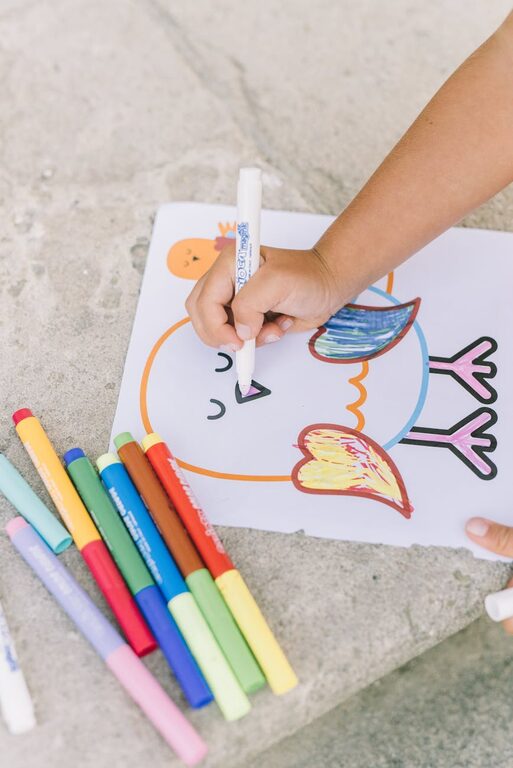
Every parent knows how quickly children’s art projects can take over the house. From finger paintings to school projects, kids’ creative expressions are wonderful keepsakes—but they can also become overwhelming clutter. Finding smart ways to organize kids’ art helps you preserve those special memories, showcase their talent, and maintain a tidy home.
In this post, we’ll explore effective and creative strategies to keep your child’s artwork organized, manageable, and easy to enjoy.
Why Organizing Kids’ Art Matters
Children’s artwork offers a glimpse into their imagination and growth, making it a valuable part of family memories. However, without a system, piles of drawings and crafts can quickly clutter your space. Organizing these pieces:
– Reduces clutter and stress
– Enables you to celebrate your child’s creativity
– Makes it easier to find specific works when needed
– Helps teach kids responsibility and organizational skills
With a little planning, organizing kids’ art can be a fun family activity.
Create a Dedicated Art Storage Area
Having a designated place for art supplies and finished pieces is the first step toward organization.
Choose the Right Space
– Use a low shelf, drawer, or a plastic bin for easy access.
– Consider a wall-mounted rack or pockets for displaying current favorites.
– A desktop organizer can keep supplies neat and reachable during projects.
Storage Containers to Consider
– Flat archival boxes to keep artwork safe and protected.
– Portfolios designed for storing multiple artworks flat.
– Plastic drawers or file boxes sorted by date or theme.
– Clear folders or binders with transparent sleeves for easy flipping through creations.
Sort and Cull Regularly
Going through artwork frequently prevents buildup and helps you decide what to keep.
Tips for Sorting
– Involve your child to help choose favorites.
– Set a regular schedule—monthly or quarterly works well.
– Separate pieces by type (drawings, paintings, 3D crafts) or by year.
What to Do with the Rest?
– Recycle or reuse materials from art that doesn’t make the keep pile.
– Take photos of bulky or fragile pieces and store digitally.
– Gift art to close relatives who appreciate your child’s creativity.
Display Art Creatively
Proudly showing kids’ art encourages them and keeps memories visible without cluttering flat surfaces.
Display Ideas
– Use clipboards or wire hangers with clips for easy rotation.
– Frame select pieces and create a gallery wall.
– Hang a clothesline with clothespins in their room or play area.
– Use magnetic boards or corkboards to pin favorites.
Rotating displays often keeps things fresh and makes room for new work.
Going Digital: Preserve Memories Without the Bulk
Digital storage is a smart way to archive artwork without taking up physical space.
How to Digitize Art
– Use a scanner or your smartphone camera to capture high-quality images.
– Organize digital files in folders by date, theme, or child.
– Use apps designed for photo organization or dedicated art storage.
Benefits of Digital Archiving
– Easy to share with family and friends.
– Backed up safely in the cloud.
– Can be used to create photo books or personalized gifts.
Make Art Books and Keepsakes
Transform the collection into special keepsakes instead of stacks of paper.
Ideas for Keepsakes
– Bind scanned artwork into printed photo books.
– Create calendars, mugs, or T-shirts with favorite images.
– Use collages or scrapbooks to showcase multiple pieces.
These also make thoughtful presents for grandparents and family.
Teach Kids to Organize Their Own Art
Encouraging children to take part in organizing fosters responsibility and pride.
Simple Ways to Involve Kids
– Let them pick which pieces to display or store.
– Help label folders or boxes with dates and names.
– Create a routine for tidying up art supplies after projects.
Starting early sets positive habits for orderliness.
Final Thoughts
Keeping kids’ art organized doesn’t mean stifling their creativity—it’s about managing space while celebrating their achievements. By setting up a dedicated storage system, sorting thoughtfully, displaying proudly, and using digital options, you can cherish your child’s artwork for years to come without feeling overwhelmed.
Remember, the goal is balance: preserve memories, encourage creativity, and maintain a happy, clutter-free home.
Get started today, and turn your child’s art into a well-organized treasure trove!