
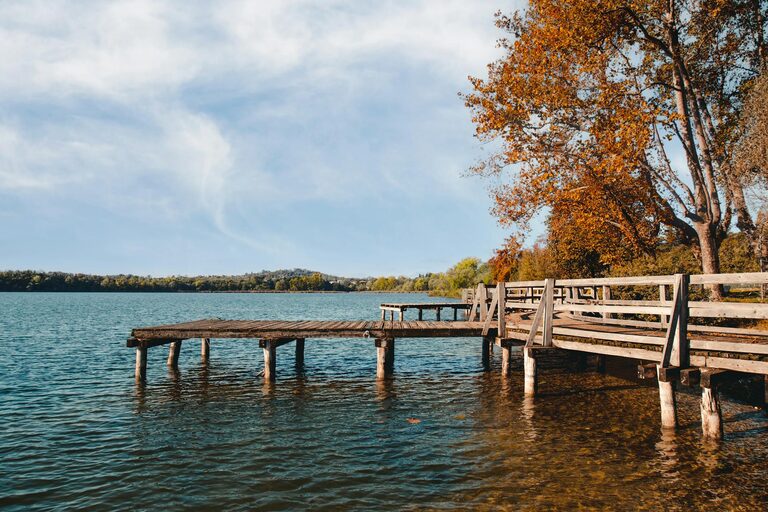
Taking time off to unwind is essential for maintaining a healthy balance between work and personal life. However, weekends can sometimes become just as hectic as weekdays if not planned thoughtfully. A no-stress weekend allows you to recharge without feeling rushed or overwhelmed.
In this post, we’ll explore practical tips and ideas to help you plan a relaxing weekend that rejuvenates your mind and body. Whether you prefer quiet alone time or gentle activities with loved ones, these steps will guide you to a stress-free weekend.
Why Planning a No-Stress Weekend Matters
Weekends are an opportunity to step away from daily responsibilities and focus on yourself. Without proper planning, it’s easy to fill your time with chores or last-minute obligations, which can increase stress rather than reduce it.
A well-planned weekend helps you:
– Reconnect with what you enjoy
– Reduce anxiety and fatigue
– Improve mood and focus for the coming week
– Cultivate healthy habits
Now let’s look into how to make the most out of your weekend downtime.
Step 1: Set Clear Intentions
Start by deciding what you want to achieve with your weekend. Do you need rest, creative inspiration, or meaningful connection? Clarifying your goals will help you choose activities that support your well-being.
Consider asking yourself:
– What kind of rest do I need? Physical, mental, or emotional?
– Are there hobbies or activities that bring me joy?
– Would I prefer social time or solitude?
Write down 1–3 intentions to keep you focused.
Step 2: Plan Simple Activities that Relax You
Based on your intentions, pick a few low-pressure activities to fill your days. Avoid overscheduling or anything that feels like a task. Some ideas include:
– Reading a book or listening to an audiobook
– Going for a nature walk or gentle bike ride
– Practicing meditation or deep breathing exercises
– Cooking a favorite meal slowly and mindfully
– Watching a comforting movie or series
– Journaling your thoughts or gratitude
Remember, the goal is relaxation—not productivity.
Step 3: Limit Digital Distractions
Technology often keeps us connected but can also add stress. Try to:
– Set specific times to check emails and social media
– Silence non-urgent notifications
– Consider having a tech-free morning or afternoon
– Use apps that promote mindfulness or calm
Reducing screen time allows your mind to rest and helps you stay in the moment.
Step 4: Prepare Your Environment
Creating a peaceful surroundings can enhance your relaxation. Before the weekend:
– Declutter your living space to prevent visual stress
– Gather cozy items like blankets, candles, or plants
– Stock up on healthy snacks and drinks you enjoy
– Plan ahead for meals, or choose simple recipes
A comfortable environment supports your no-stress mindset.
Step 5: Include Movement and Fresh Air
Light physical activity and nature exposure improve mood and energy. You don’t need an intense workout—choose gentle options such as:
– Stretching or yoga at home
– A stroll in a nearby park
– Sitting outside with a cup of tea
– Gardening or tending to plants
Being physically active outdoors connects you with your surroundings and promotes relaxation.
Step 6: Practice Mindfulness and Self-Care
Taking moments to check in with yourself fosters calm and awareness. Incorporate:
– Deep breathing or guided meditation sessions
– Warm baths or skincare routines
– Listening to soothing music
– Napping or resting without guilt
Self-care is personal; focus on activities that make you feel nurtured.
Step 7: Be Flexible and Kind to Yourself
Even with a plan, life happens. Allow space for changes and unexpected events without stress. If something isn’t working, adjust or skip it.
Remember that true relaxation comes from letting go of pressure and embracing the present moment. Trust your instincts and prioritize what feels good.
Bonus Tips: Weekend Ideas to Try
– Visit a local museum or botanical garden at a leisurely pace
– Write letters or call a friend instead of texting
– Try a new hobby like painting or baking
– Practice gratitude by listing things you’re thankful for
– Spend time with pets or animals if possible
These small activities can bring joy and gentle stimulation without overwhelming you.
Final Thoughts
A no-stress weekend doesn’t require elaborate plans or expensive trips. By setting intentions, choosing simple activities, limiting distractions, and caring for your body and mind, you can create a restful break that truly refreshes you.
Try these steps this weekend and notice how better relaxation affects your overall well-being. You deserve time to pause, breathe, and enjoy.
Happy relaxing!